
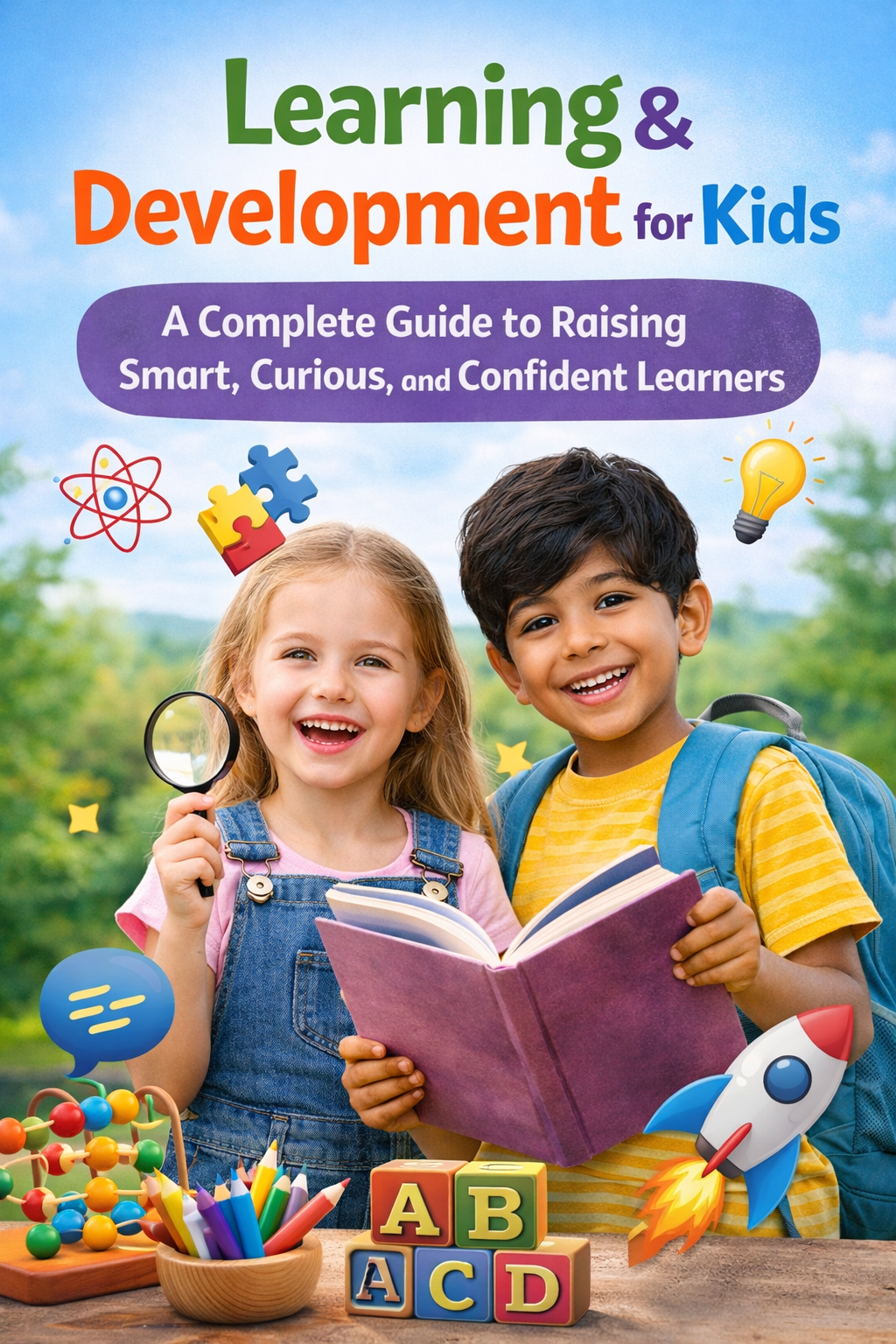
👉 Parenting Tips: Complete Guide
Every parent wants their child to succeed—but success doesn’t start in the classroom. It starts at home. The way children learn, think, solve problems, and interact with the world is shaped by everyday experiences, not just school lessons.
From reading and problem-solving to emotional intelligence and creativity, early development plays a powerful role in building confident, capable children.
This complete guide brings together simple, practical strategies to support your child’s learning and development—helping them grow into curious, independent, and lifelong learners.
🧠 Building Strong Thinking and Problem-Solving Skills
Children are natural problem-solvers—but they need opportunities to practice. Everyday challenges help kids develop critical thinking, creativity, and confidence in their abilities.
These activities encourage kids to think, explore, and find solutions on their own:
📚 Supporting Reading and Learning at Home
Learning to read is one of the most important milestones in early childhood. But learning doesn’t stop there—it continues through curiosity, exploration, and play.
These guides help you support learning in simple, engaging ways:
🌱 Developing a Growth Mindset
One of the most powerful things you can teach your child is how to think about challenges. A growth mindset helps children believe they can improve, learn from mistakes, and keep trying.
This builds resilience, confidence, and motivation:
🧪 Encouraging Curiosity Through Exploration
Children learn best when they are curious. Hands-on activities, experiments, and creative play make learning exciting and memorable.
🤝 Building Social and Emotional Skills
Learning isn’t just academic—it’s social too. Children need to learn how to communicate, build friendships, and understand emotions.
These skills are essential for school and life:
📱 Using Screen Time as a Learning Tool
Technology can be a powerful learning tool—when used intentionally. The key is choosing meaningful content and balancing screen time with real-world experiences.
🌟 Final Thoughts
Every child learns differently—and that’s a good thing. The goal isn’t to push children to be perfect, but to support their natural curiosity, creativity, and confidence.
By creating a learning-rich environment at home, encouraging exploration, and supporting emotional growth, you give your child the tools they need to succeed—not just in school, but in life.
Small, consistent efforts today can shape a lifetime of learning.
❓ Frequently Asked Questions
How can I help my child enjoy learning?
Make learning fun and interactive through games, activities, and real-life experiences rather than pressure or strict expectations.
What is a growth mindset?
A growth mindset is the belief that abilities can improve with effort, practice, and persistence.
How important is reading at an early age?
Reading builds language, imagination, and cognitive skills, making it one of the most important early learning activities.
How do I support my child’s development at home?
Provide opportunities to explore, ask questions, solve problems, and engage in meaningful conversations.
Is screen time bad for learning?
Not necessarily—when used correctly, it can support learning. The key is balance and choosing high-quality content.
📚 Explore more parenting guides:
👉 Behavior & Discipline
👉 Health & Wellbeing
👉 Learning & Development
👉 Parenting Challenges