
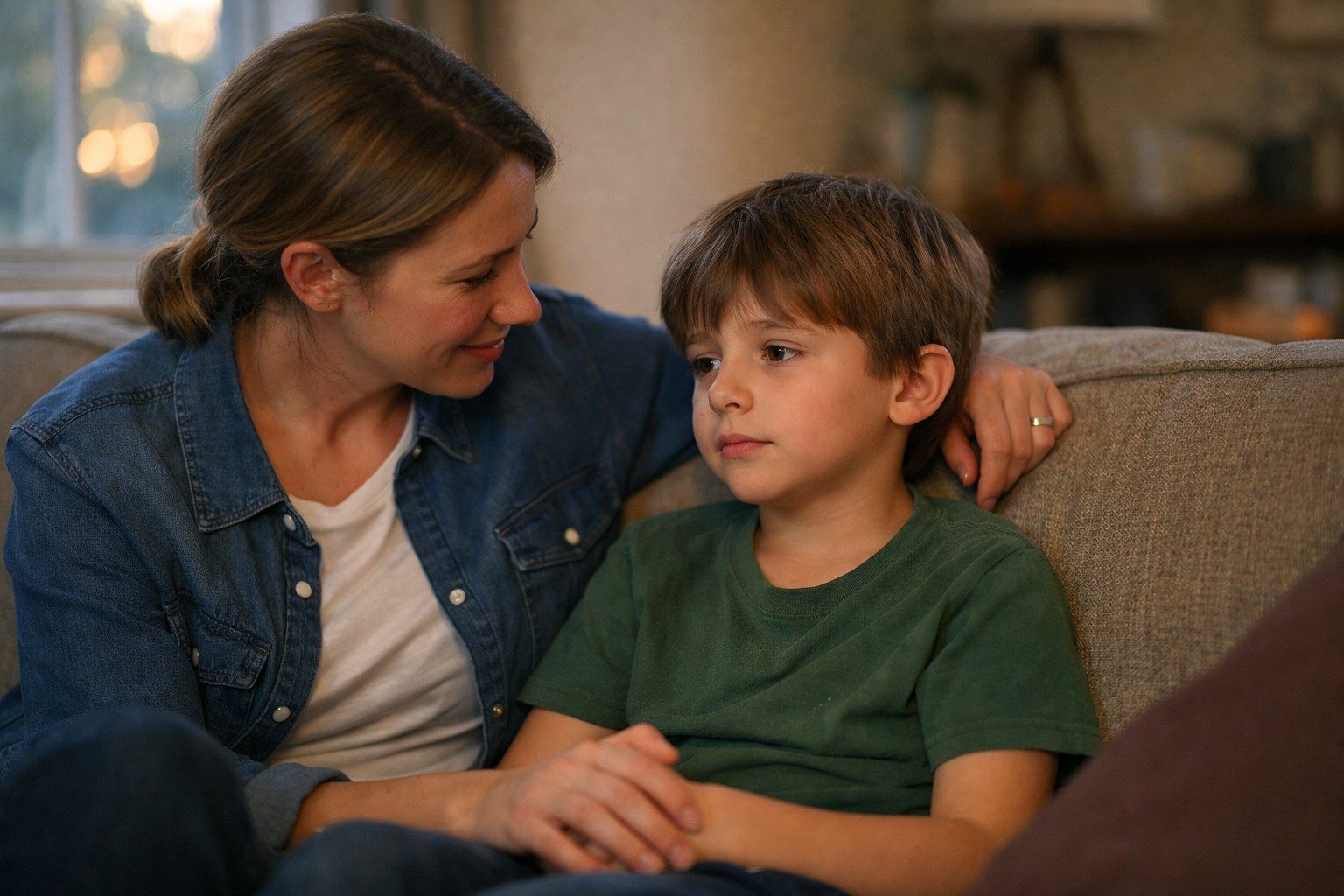
Some kids can spend a whole afternoon around other people and still whisper at bedtime, “I feel like nobody really wants to play with me.” That kind of comment can hit parents in the chest. It is hard to know whether to worry, fix, reassure, or stay quiet long enough to hear what is really underneath it.
Loneliness in kids does not always look dramatic. Sometimes it looks like a child hovering near the edge of the playground instead of joining in. Sometimes it looks like clinginess after school, sudden tears over a small social setback, or a child who keeps saying they are bored when what they really mean is disconnected. And sometimes it happens even when a child has siblings, classmates, teammates, or a full calendar.
If your child has been feeling lonely lately, you are not overreacting by paying attention. Feeling lonely does not automatically mean something is deeply wrong, but it does mean your child may need more support, more practice, or more chances to feel known. If your child is also struggling to connect socially, this guide on helping a child make friends can be a useful companion.
Why This Happens
Loneliness is not just about being physically alone. It is the feeling of wanting connection and not quite getting it. Kids can feel lonely for a lot of ordinary reasons, and most of them are more nuanced than parents expect.
Some kids need more help starting connection
A child may want friends but not know how to join a game, start a conversation, or recover after an awkward moment. They are not necessarily antisocial. They may just need direct practice.
Transitions can shake social confidence
A new school year, a move, a classroom shuffle, a new sibling, or even a long school break can leave kids feeling out of rhythm. They may need time to find their place again. That is one reason social loneliness can show up right alongside other hard feelings during change.
Some children feel things deeply
One missed invitation might stay with a sensitive child for days. They may decide “nobody likes me” after one disappointing lunch table moment.
Sometimes loneliness is really another feeling wearing a disguise
Tired kids, stressed kids, and disappointed kids often describe everything as loneliness because that is the closest word they have. If your child has also been having a hard time bouncing back from social hurts, helping kids handle disappointment can help you spot the overlap.
What Parents Can Do
You do not have to solve your child’s social life in one week. The goal is to help them feel heard, supported, and a little more capable than they did before.
Start by listening longer than feels natural
When a child says, “Nobody likes me,” most parents want to jump in with proof that it is not true. The problem is that quick reassurance can make kids feel brushed past.
Try saying:
- “That sounds really lonely.”
- “Tell me what happened today.”
- “Was it one moment, or have you been feeling this way a lot lately?”
You are gathering clues. Is your child describing one bad recess? A pattern of not being included? A fear that shows up before social situations? The better you understand the shape of the problem, the better you can help.
Name the feeling without making it bigger
Kids calm down faster when they feel understood, but they can also become more anxious if adults react like every lonely feeling is a social emergency.
A steady response sounds like this:
“I believe you. Feeling lonely is hard. Let’s figure out what might help.”
That message is powerful. It says: your feelings are real, and you are not stuck there forever.
Look for one small social opening
Parents sometimes feel pressure to create an instant best-friend situation. Usually that backfires. A quieter goal works better: one manageable opening.
That could be:
- inviting one classmate over instead of planning a big group outing
- arriving early to an activity so your child can connect before the group gets loud
- choosing a club or class built around a shared interest
- asking a teacher which peer your child seems most comfortable around
Lonely kids often do better with one predictable connection than with a broad push to “go make more friends.”
Coach the exact skill, not just the outcome
“Be more social” is too vague to help. What kids usually need is a script, a starter move, or a way back in after a wobble.
You can practice things like:
- how to join a game: “Can I be on your team next round?”
- how to start a conversation: “What are you building?”
- how to reconnect after feeling left out: “Can I sit here?”
- how to handle a brush-off: “Okay, maybe later,” and then move toward someone else
This is the kind of skill-building that gradually turns helplessness into confidence. It also overlaps with the bigger work of building communication skills in everyday life.
Create connection at home too
Not every lonely child needs more social events. Sometimes they need a stronger feeling of connection in their own house first. A child who feels emotionally filled up at home often has more energy for the social world outside it.
That can look like:
- ten minutes of one-on-one time without correcting or multitasking
- a regular bedtime chat
- a weekly walk, drive, or snack run together
- small rituals that help your child feel expected and wanted
Home connection does not replace friendships, but it gives kids a steadier place to stand while they build them.
Watch the pattern, not just the comment
One lonely evening after a hard day is different from a steady pattern over weeks. Pay attention to whether your child is withdrawing, dreading school, losing interest in things they used to enjoy, or repeatedly describing being left out. If the pattern keeps building, it makes sense to involve a teacher, counselor, or pediatrician for more support.
Common Mistakes to Avoid
Dismissing the feeling too fast
Saying “That’s not true, you have lots of friends” may be factually comforting to you, but it often misses what your child is trying to say. The issue is not always the number of people around them. It is whether they feel connected.
Interrogating every social detail
Some kids shut down if every car ride turns into a full investigation. Ask enough to understand, then back off. You want openness, not a debrief they learn to avoid.
Rushing to fix everything with one playdate
Playdates can help, but a single awkward one can make a lonely child feel even worse. Think smaller and slower. Choose good fits. Keep it low pressure.
Labeling your child in front of them
Try not to say things like “She’s just shy” or “He has trouble with people” while your child is listening. Kids build identity from what they hear adults repeat. Describe the current challenge, not their permanent personality.
Assuming loneliness always means bullying
Sometimes it does. Sometimes it does not. A child may simply feel unsure, out of sync, or socially inexperienced. Stay curious. If you do suspect peer cruelty, take that seriously, but do not skip straight there without evidence.
Simple Plan to Try This Week
If you want something practical, keep it small and repeatable.
Day 1: Listen and notice
Have one calm conversation when nobody is rushed. Ask when your child feels most lonely: at school, after school, at bedtime, during activities, or on weekends.
Day 2: Pick one social goal
Choose one tiny goal for the week, like saying hi to one classmate, joining one game, or talking to one familiar child at an activity.
Day 3: Practice a script
Role-play for three minutes. Keep it light. Kids learn faster when practice feels silly and short instead of intense.
Day 4: Build one connection ritual at home
Add a small daily ritual that helps your child feel close to you: hot chocolate after school, a walk with the dog, a puzzle together, or a five-minute bedtime check-in.
Day 5: Set up one manageable social opportunity
Invite one child over, meet another family at the park, or ask a teacher who your child naturally gravitates toward.
Day 6: Notice progress out loud
Do not only praise outcomes. Say things like, “I noticed you tried again after that awkward moment,” or “You were brave when you walked over and asked to join.” If your child tends to crumple after social setbacks, building resilience in children is worth reading next.
Helpful Tools
Some families like having a simple tool that makes conversation or friendship practice feel less heavy. These are optional, not magic fixes.
- Conversation Cards for Kids can be a low-pressure way to practice turn-taking, questions, and back-and-forth conversation at home.
- Social Skills Activities can help some kids rehearse friendship skills, reading social cues, and joining in without making it feel like a lecture.
FAQ
Is it normal for kids to feel lonely sometimes?
Yes. Most kids feel lonely at some point, especially during transitions, social disappointments, or developmental leaps. The key question is whether it passes with support or becomes a steady pattern.
Should I contact the teacher?
If your child has been feeling lonely for more than a short stretch, dreads school, or keeps mentioning the same peer issues, it is reasonable to check in with the teacher.
What if my child says they have no friends, but I know they do?
Start by treating the feeling as real. They may mean they do not feel close to anyone right now, or they may be talking about one painful moment.
When should I worry more seriously?
If loneliness comes with major withdrawal, school refusal, or a sharp drop in mood, get extra support from a pediatrician, school counselor, or child therapist.
Loneliness can make kids feel like they are the only one standing outside the circle. What helps most is not a perfect fix. It is a steady parent who notices, listens, and keeps building small paths back toward connection. And if your child’s lonely feelings are tangled up with worry, this article on helping kids overcome fear may help you widen the picture.