
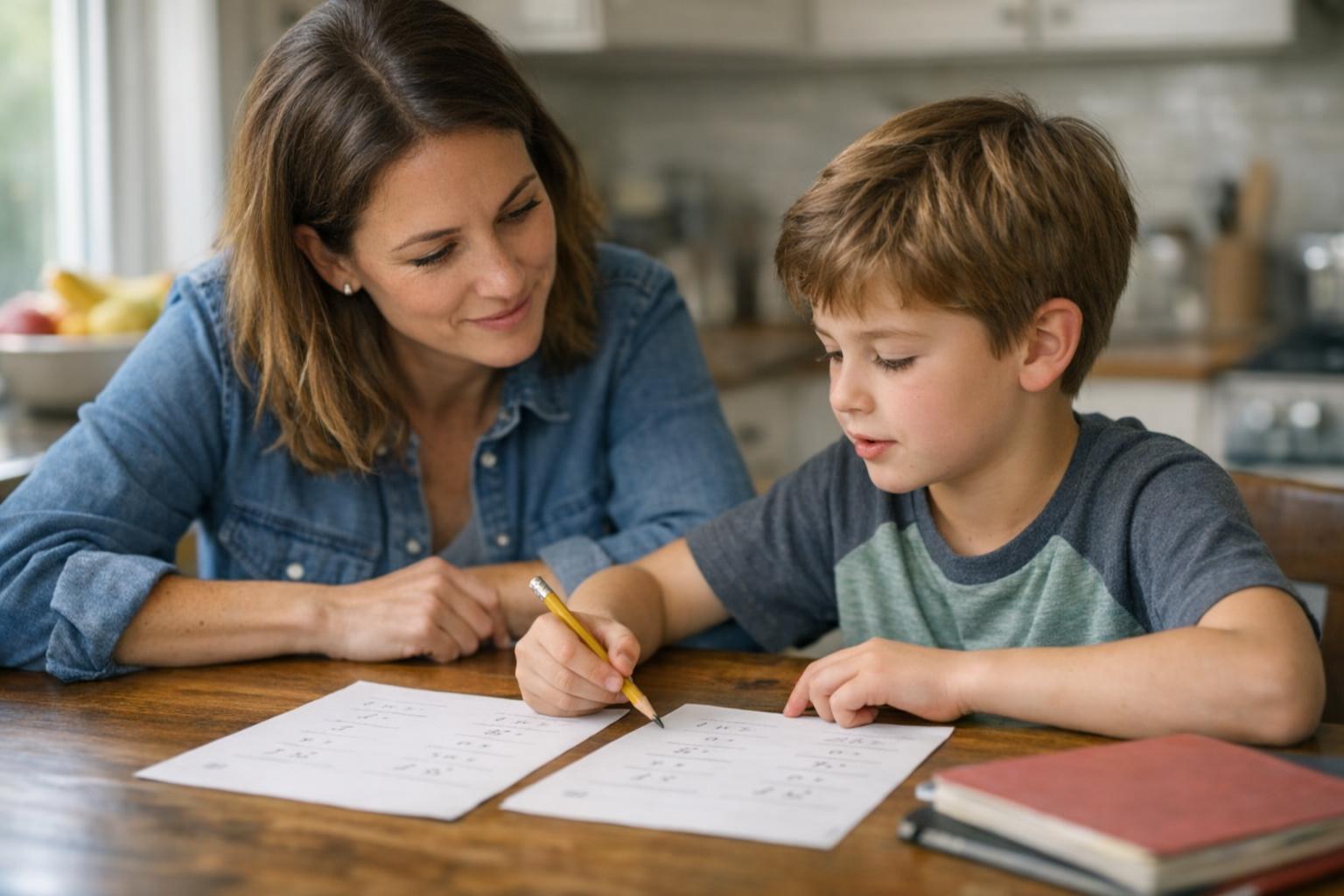
Some kids can argue both sides of a snack dispute like tiny lawyers, yet freeze when you ask, “What do you think we should do here?” Critical thinking usually doesn’t show up in big dramatic moments. It shows up when your child weighs two choices, notices a pattern, asks a better question, or changes their mind after learning something new.
A lot of parents want kids who can think for themselves, but everyday family life can accidentally train the opposite. We rush, answer every question too fast, solve problems before kids get a turn, and reward the “right” answer more than the thinking behind it. Then later we wonder why our child gives up quickly, copies someone else’s opinion, or says, “I don’t know,” before they have really thought about it.
The good news is that critical thinking does not require fancy lessons or a debate club. It grows in ordinary moments: deciding why the toast burned, figuring out the fastest way to clean up toys, comparing two library books, or talking through why one idea worked and another did not. If you already make room for curiosity at home, a lot of the groundwork is there. In fact, habits that support building curiosity at home also help kids learn to question, test, and reflect instead of just guessing.
Why This Happens
Critical thinking is a skill, not a personality trait. Kids are not simply “thinkers” or “not thinkers.” They build this skill over time as their brains mature and as adults give them chances to practice.
Younger children often think in concrete ways. They notice what is right in front of them and may jump to quick conclusions. Older kids gradually get better at comparing, predicting, and understanding cause and effect, but they still need support. Even very bright children can struggle with flexible thinking when they are tired, hungry, frustrated, or worried about getting the wrong answer.
Many kids also get used to adult-led learning. If they spend most of the day being told what to do, what to think, and what answer is expected, they may become cautious thinkers. They start looking for clues about what the grown-up wants instead of exploring the problem itself. That is one reason children who seem capable can still hesitate during homework, projects, or everyday decisions. If that sounds familiar, some of the same supports used in helping kids become independent learners can make a real difference.
Another common roadblock is speed. Family life is busy. It is usually faster to answer your child’s question than to say, “What do you notice?” It is faster to tie the shoe, settle the argument, and choose the cereal. But when children never get time to wrestle with small problems, they miss the practice that eventually leads to better judgment.
What Parents Can Do
Ask better questions instead of giving faster answers
When your child asks a question, pause before stepping in. You do not have to turn every moment into a lesson, but a small shift helps.
Instead of:
- “No, that won’t work.”
- “Because I said so.”
- “Here’s the answer.”
Try:
- “What do you think might happen?”
- “What makes you say that?”
- “What are two ways we could handle this?”
- “What would you try first?”
These questions teach kids to slow down and look for reasons. They also show that thinking matters, not just being correct.
Let kids compare and choose
Critical thinking grows when children compare options instead of automatically following directions. This can happen in very simple ways:
- “We have ten minutes before we leave. Should you pack your backpack first or put on shoes first? Why?”
- “Which snack will keep you fuller for soccer: crackers alone or crackers with cheese?”
- “Which book should we bring in the car if we want something funny but not too long?”
The goal is not to create endless negotiations. It is to help your child notice trade-offs and explain choices.
Normalize changing your mind
Some kids avoid deeper thinking because they are afraid of being wrong. They would rather say nothing than risk a bad answer. You can lower that pressure by treating new information as useful, not embarrassing.
Say things like:
- “I thought the store closed at six, but I checked and it closes at seven. Good thing we looked it up.”
- “You had one idea, then you noticed something new and adjusted. That’s smart thinking.”
Kids need to see that thoughtful people revise their thinking all the time.
Use everyday problems as practice
You do not need worksheets to build reasoning. Daily life gives you plenty:
- The plant is drooping. What might it need?
- Your child’s block tower keeps falling. Is the base wide enough?
- The morning routine keeps running late. Which step slows everything down?
- A sibling argument keeps repeating. What pattern do you notice?
This is where problem-solving and critical thinking overlap. If you want more everyday examples, this post on building problem-solving skills fits naturally alongside the same kind of practice.
Read and talk, not just read and finish
Books are one of the easiest ways to build thinking. Pause during stories and ask:
- “Why do you think that character did that?”
- “What do you think will happen next?”
- “Do you agree with that choice? Why or why not?”
You are not quizzing your child. You are inviting them to notice clues, make predictions, and back up opinions. Children who struggle to stay with these conversations may also benefit from some of the routines in how to help kids focus better, especially shorter discussion time and fewer distractions.
Think out loud
Kids learn a lot from hearing your thought process. You can model calm reasoning without making it complicated.
For example: “It looks like rain, but the weather app says it might pass by noon. I’m going to bring the picnic anyway and pack a blanket for the car in case we need to wait.”
That small moment teaches your child to gather information, weigh uncertainty, and make a plan.
Common Mistakes to Avoid
Asking questions that really have only one acceptable answer. Kids can tell when “What do you think?” actually means “Guess what I want you to say.” If there is no real choice, just be clear.
Jumping in too soon. A child staring at a puzzle for ten seconds is not necessarily stuck. Sometimes the most helpful thing is a little quiet.
Praising only correctness. “You got it right” is fine, but also notice effortful thinking: “You looked at the pattern and tried a new strategy.”
Turning every conversation into a lecture. If every dinner question becomes a mini TED Talk, kids tune out. Keep it light and natural.
Expecting adult logic from a tired child. A seven-year-old melting down before bedtime is not the best candidate for a deep reasoning exercise. Timing matters.
Simple Plan to Try This Week
If you want to make this practical, keep it small. You do not need a whole new family system.
Day 1: Pick one daily moment
Choose one routine where your child can think out loud: breakfast, getting dressed, homework, cleanup, or bedtime reading.
Day 2: Ask one open-ended question
Use a simple prompt like, “What do you notice?” or “What’s another way we could do this?” Then wait a few seconds longer than feels comfortable.
Day 3: Let your child make one small decision
Offer two reasonable options and ask them to explain their choice. Keep it low-stakes.
Day 4: Model your own thinking
Say one decision out loud as you make it: planning dinner, choosing a route, or deciding what to pack.
Day 5: Use a story or show for discussion
Pause once and ask what a character might do next and why.
Day 6: Notice the process
Instead of praising the answer, praise the thinking: “You compared both choices before deciding.”
Day 7: Reflect together
Ask, “What helped you figure things out this week?” That reflection step helps children become more aware of how they learn.
Helpful Tools
You do not need products to teach critical thinking, but a couple of simple tools can support the habit when used naturally.
- National Geographic Kids Books can be useful for children who think better when they have interesting facts, photos, and real-world topics to explore together.
- Educational Flash Cards can work well if you use them for comparing, sorting, and explaining answers rather than drilling for speed.
FAQ
At what age can kids start learning critical thinking?
Very early. Preschoolers can compare, predict, and explain simple choices. The skill becomes more complex as children grow, but the foundation starts with everyday conversation.
What if my child always says, “I don’t know”?
That often means they feel rushed, unsure, or worried about being wrong. Try smaller questions, fewer distractions, and extra wait time before repeating the question.
Does critical thinking mean letting kids question every rule?
No. Parents still set boundaries. Critical thinking means helping kids understand reasons, notice consequences, and make thoughtful choices within safe limits.
How can I build critical thinking without making home feel like school?
Use normal family moments: cooking, shopping, reading, fixing problems, and talking about plans. Short natural conversations work better than formal lessons for most kids.
What if my child gets frustrated when things are hard?
Keep the task manageable and focus on process. You are building stamina, not testing intelligence. A calm prompt, a smaller step, or a short break can help.
Critical thinking does not grow because children hear the phrase “think for yourself.” It grows because they get repeated chances to wonder, compare, explain, and revise. A few small changes in how you talk with your child can do a lot over time. If you want to keep building on this at home, this guide on learning through play is another natural next step.