
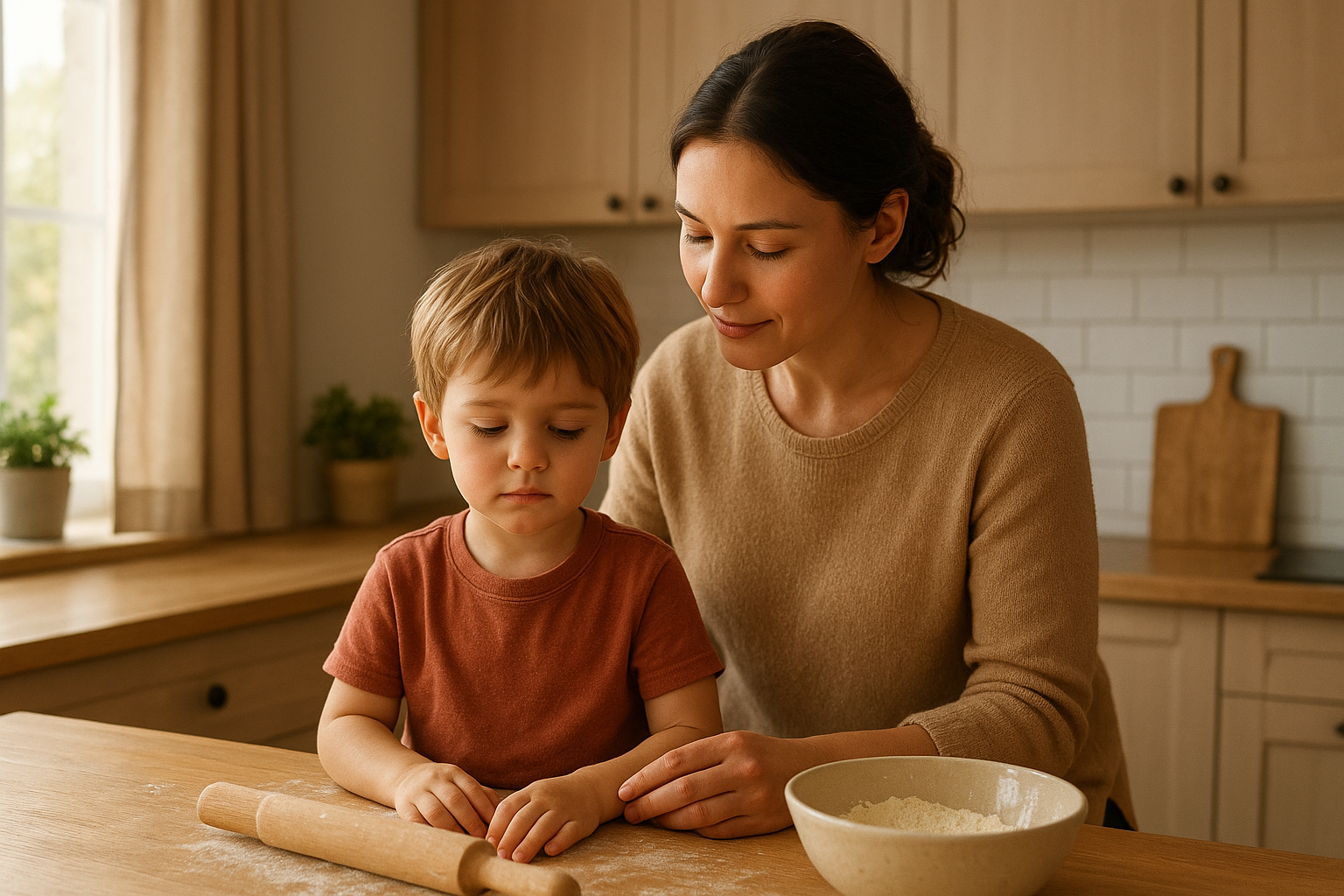
Teaching kids patience can feel strangely hard in everyday life. You ask your child to wait two minutes, take turns, or stick with something that is not instantly easy, and suddenly everyone is frustrated. If you have ever thought, “Why is this turning into such a big battle?” you are not alone.
The truth is that patience is not a trait children either have or do not have. It is a skill, and like most skills, it grows with practice, support, and realistic expectations. Young kids are still learning how to handle discomfort, delay, and disappointment. They need adults to show them what patience looks like before they can use it on their own.
The good news is that you do not need long lectures or perfect behavior to teach it. Small daily moments matter most. When you use calm routines, simple language, and steady follow-through, your child slowly learns how to wait, manage big feelings, and trust that they can get through uncomfortable moments.
Why patience is hard for kids
Children naturally want relief, attention, and results right away. Their brains are still developing the skills that help with self-control, flexible thinking, and emotional regulation. That means waiting in line, sharing attention, or trying again after a mistake can feel much bigger to them than it does to adults.
Patience is also harder when kids are tired, hungry, overstimulated, or unsure of what to expect. If your child struggles in these moments, it does not mean you are doing anything wrong. It means they need support, structure, and repetition. This is one reason routines matter so much. If your family could use more steady structure, The Power of Routine is a helpful companion read.
Start with very small waiting moments
One of the best ways to build patience is to start smaller than you think you need to. Asking a child who melts down after ten seconds to “just be patient” for ten minutes usually backfires. Instead, create short, manageable waiting moments they can actually succeed with.
You might say, “I’m pouring your milk, and you can wait until I put the cup on the table,” or “It’s your turn after your brother has two more throws.” These little stretches of waiting help your child experience success. Success matters because it builds confidence.
When your child does wait, notice it clearly: “You waited while I tied your sister’s shoe. That was patient.” Specific praise helps them understand what they did well. If you want to be thoughtful about how praise shapes behavior, Praise vs Rewards offers useful guidance.
Use calm language when teaching kids patience
Children learn faster when our words are simple and steady. Long explanations in the middle of frustration usually add more noise. Instead of saying, “You need to learn to stop acting like this every time you have to wait,” try: “Waiting is hard. I’m here. Your turn is coming.”
This kind of language does two things at once. It names the struggle without shaming the child, and it keeps the expectation clear. You are not rescuing them from every uncomfortable feeling, but you are helping them move through it.
It also helps to give kids something concrete to do while they wait. You can suggest taking three slow breaths, counting the people ahead of you, squeezing their hands together, or looking for five red things in the room. These simple tools support self-regulation. For more ideas, Teaching Self-Regulation connects beautifully with this skill.
Practice patience during everyday routines
You do not need special lessons to teach patience. Daily family life already gives you plenty of chances. Waiting for toast to pop up, taking turns during a game, letting someone else finish speaking, standing in a checkout line, or working through a puzzle without giving up are all real opportunities.
Try choosing one routine where patience is usually hard and make a plan for it. Maybe mornings feel rushed, or maybe snack time triggers whining. Before the moment starts, remind your child what patience will look like. You could say, “While I cut the apples, your job is to keep your hands on the table and wait.” Then notice even partial progress.
When you build these mini-lessons into normal life, patience feels practical instead of preachy. Kids learn best through repetition in real situations, not through abstract talks when everyone is calm.
Model what patience looks like
Children notice far more than we think. If we sigh loudly, snap when delayed, interrupt constantly, or complain every time something takes too long, they absorb that. Modeling patience does not mean pretending to be endlessly calm. It means letting your child see healthy coping in action.
You might say, “This line is long. I don’t love waiting either, so I’m taking a breath,” or “I’m frustrated that dinner is taking longer, but I can handle it.” These simple statements teach that patience is not the absence of feeling. It is what we do with the feeling.
If your child responds well to connected, respectful communication, Effective Communication with Kids is another strong resource to link with this approach.
Do not confuse patience with silence
Some children look “patient” because they stay quiet, but inside they are overwhelmed. Others are very vocal about how hard waiting feels. In both cases, the goal is not perfect silence. The goal is helping your child tolerate delay without falling apart or expecting immediate rescue every time.
That means it is okay for a child to say, “This is hard,” or “I don’t like waiting.” You can respond with warmth and firmness: “I know. It’s still time to wait.” That kind of response is respectful and steady. It acknowledges their feelings without giving the message that discomfort is an emergency.
What to do when your child gets frustrated
Even with practice, your child will sometimes lose it. That is normal. In those moments, keep your response calm and brief. Avoid turning the struggle into a lecture. Help your child regulate first, then return to the expectation.
You might kneel down and say, “You’re upset because waiting feels hard. We’re going to breathe, and then we’ll try again.” If the behavior becomes unsafe or disruptive, step in with clear boundaries. Patience grows best when children feel both supported and securely led. For children who need confidence-building through manageable responsibility, Building Confidence Through Age-Appropriate Responsibilities can reinforce the same foundation.
Keep expectations realistic by age
A preschooler cannot wait like a ten-year-old, and a tired child cannot cope the same way they do on a good day. Patience grows slowly. Expect progress, not perfection. Celebrate small wins, such as waiting thirty extra seconds, using words instead of whining, or trying again after disappointment.
When parents stay realistic, kids feel encouraged instead of judged. Over time, these small moments add up. A child who learns to wait for a turn today is also learning how to manage frustration, solve problems, and handle life’s delays later on.
Conclusion
If you want to teach patience without constant frustration, think small, steady, and practical. Give your child short chances to wait, name the skill clearly, offer tools to cope, and stay calm when it feels messy. Patience is not built in one perfect moment. It grows in ordinary moments repeated again and again.
Your child does not need a flawless parent to learn this skill. They just need a calm guide who keeps showing them that waiting is hard, manageable, and worth practicing.
FAQs
At what age can kids start learning patience?
Children can start learning patience in toddlerhood, but expectations should stay very small. Short waiting moments, simple routines, and lots of support work best at first.
Why does my child get so upset when asked to wait?
Waiting can trigger frustration because kids are still developing self-control and emotional regulation. Hunger, fatigue, and overstimulation can make patience even harder.
How can I teach patience without punishing my child?
Focus on practice, modeling, and calm repetition instead of punishment. Give clear expectations, short waiting opportunities, and simple coping tools like breathing or counting.
Is it okay to comfort my child when they feel impatient?
Yes. Comfort and boundaries can work together. You can acknowledge that waiting feels hard while still holding the limit that they need to wait.
📚 Want more help with raising calm, confident kids?
👉 Behavior & Discipline: Complete Guide