
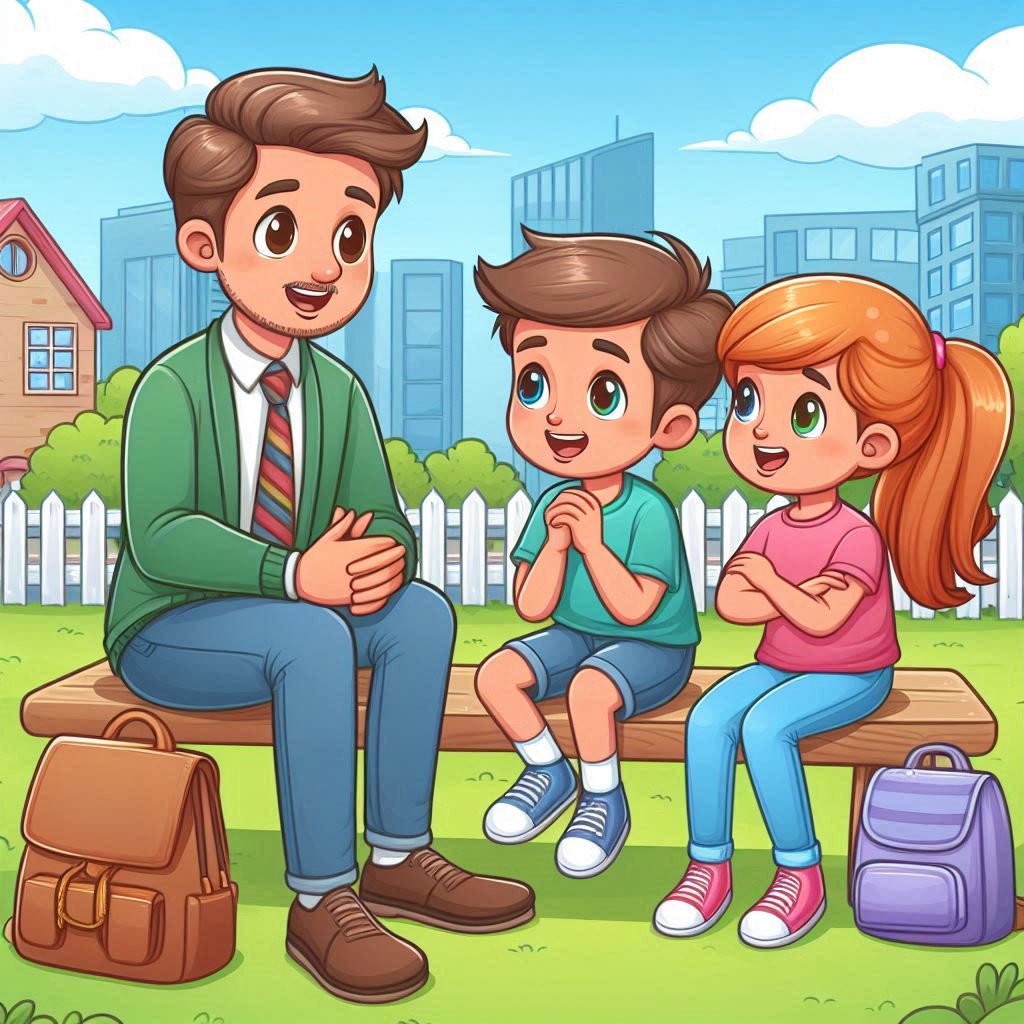
Effective Communication with Kids: Listening and Speaking to Foster Respect
Building a respectful and open relationship with your children starts with communication. Effective communication helps kids feel valued and heard, teaches them how to express themselves constructively, and fosters a family environment built on mutual respect. Here are some practical tips to improve communication with your children, focusing on active listening, empathetic responses, and respectful language.
1. Practice Active Listening
Active listening means giving your full attention to what your child is saying, without interrupting or thinking of your response as they talk. When children feel genuinely listened to, they’re more likely to share openly and honestly.
Tips for Active Listening:
- Maintain Eye Contact: Show your child that you’re fully engaged by looking at them while they speak.
- Nod and Acknowledge: Simple gestures like nodding or saying “I see” indicate that you’re following along.
- Repeat Key Points: Summarize what your child said to ensure you understand correctly. For example, “It sounds like you’re upset because your friend didn’t share.”
By listening actively, you’re not just hearing words; you’re validating their emotions and concerns, which strengthens trust.
2. Respond with Empathy
Empathy is the ability to understand and share the feelings of another. Responding with empathy shows kids that their feelings matter and helps them feel safe expressing a range of emotions.
How to Respond with Empathy:
- Acknowledge Their Feelings: Phrases like “I can see you’re feeling frustrated” or “That must have been tough for you” help kids feel understood.
- Use Supportive Body Language: A gentle touch on the shoulder or a warm smile can reassure them that you’re there for them.
- Avoid Judging Their Feelings: Instead of saying “Don’t feel that way,” try “It’s okay to feel upset.” This approach encourages them to accept and process their emotions.
Empathetic responses teach children that all feelings are valid and can be expressed safely, helping them develop emotional intelligence.
3. Use “I” Statements Instead of “You” Statements
Using “I” statements instead of “You” statements can prevent children from feeling blamed or criticized. “You” statements often sound accusatory and can make kids defensive, while “I” statements focus on your own feelings or concerns.
Examples of Effective “I” Statements:
- Instead of “You’re not listening to me!” try saying, “I feel unheard when I’m trying to explain something important.”
- Instead of “You’re always so messy,” say, “I feel frustrated when there’s clutter because it makes it hard to find things.”
This shift in language models positive communication and encourages children to express their needs respectfully.
4. Give Your Full Attention During Conversations
In our busy lives, it’s easy to fall into the habit of multi-tasking while talking to our kids. However, giving your undivided attention—putting away phones or turning off the TV—demonstrates that their thoughts and feelings are a priority. When children see that you’re fully present, they’re more likely to open up and communicate freely.
5. Avoid Overreacting to Mistakes or Problems
When children share something they may feel worried about—like a mistake or a problem they’ve encountered—keeping calm can make all the difference. Overreacting can cause kids to feel afraid of being honest, whereas a calm and understanding response encourages open dialogue.
Suggestions for Handling Mistakes Calmly:
- Take a Breath Before Responding: This allows you to respond thoughtfully rather than emotionally.
- Focus on Solutions: Rather than dwelling on the problem, discuss how to avoid it next time. This approach teaches kids that mistakes are learning opportunities.
Staying calm reassures kids that they can talk to you without fear, even when they make mistakes.
6. Ask Open-Ended Questions
Open-ended questions encourage kids to think and respond more freely than questions that only require a “yes” or “no” answer. This can help them practice expressing their thoughts in more detail, strengthening both their communication skills and their confidence.
Examples of Open-Ended Questions:
- “What was the best part of your day?”
- “How did you feel about what happened?”
- “What would you like to do differently next time?”
Asking open-ended questions shows that you’re genuinely interested in their thoughts and experiences, which fosters a closer parent-child connection.
7. Use Positive Reinforcement
When children communicate respectfully or express their feelings constructively, acknowledge and praise their efforts. Positive reinforcement encourages them to continue practicing good communication habits.
Examples of Positive Reinforcement:
- “I appreciate how calmly you explained your feelings.”
- “That was a great way to express yourself. Thank you for being respectful.”
Praising these efforts helps children understand what positive communication looks like and motivates them to repeat the behavior.
8. Be Patient and Give Them Time
Sometimes, children need a moment to gather their thoughts before responding, especially when discussing something sensitive or complex. Giving them a little extra time shows respect for their process and makes them feel valued.
Tip: If they seem hesitant, say, “Take your time—I’m here to listen whenever you’re ready.”
9. Lead by Example
Children learn a lot by observing the adults around them. By modeling good communication skills—speaking calmly, actively listening, and expressing empathy—you provide a living example for your kids to follow.
Final Thoughts
Effective communication with kids is all about creating a respectful, empathetic space where they feel safe to share their thoughts and emotions. By listening actively, responding with empathy, using respectful language, and leading by example, you lay the foundation for a positive, open relationship that supports both emotional growth and family connection. Building these habits early can set your child up for success, helping them navigate relationships and express themselves confidently as they grow.
📚 Looking for more parenting tips?
Explore our complete guide to raising calm, confident kids:
👉 Behavior & Discipline: A Complete GuideOr browse all expert advice here:
👉 Parenting Tips for Every Stage


So