Sibling Rivalry: How to Help Your Kids Get Along
Sibling rivalry is as old as time, with tales of feuding brothers and sisters appearing in stories, myths, and even history books. While some squabbles are inevitable, they can be exhausting and frustrating for parents. However, rivalry doesn’t have to overshadow the joys of sibling relationships. With patience, understanding, and practical strategies, parents can foster a family environment where children feel valued, supported, and connected.
Why Does Sibling Rivalry Happen?
Sibling rivalry often stems from competition for resources—whether that’s parental attention, toys, or space. It can also arise from differences in temperament, developmental stages, or misunderstandings. Here are some common triggers:
- Jealousy and Competition: Children might feel their sibling is favored or receives more praise.
- Age and Developmental Gaps: Older siblings may feel burdened by responsibility, while younger ones may act out to gain attention.
- Different Personalities: Opposite temperaments can lead to clashes. For example, a quiet child might struggle with a boisterous sibling.
While rivalry is natural, it also provides an opportunity for children to learn life skills, such as empathy, negotiation, and teamwork.
Strategies to Reduce Sibling Conflict
1. Foster Individuality
Children are often compared to one another—by teachers, relatives, and even parents. These comparisons, even when positive, can fuel rivalry.
- What to Do:
- Highlight each child’s unique talents and interests. For example, if one child excels in sports and the other in art, celebrate both equally.
- Avoid labeling. Instead of saying “Emma is the smart one” or “Ben is the funny one,” use phrases like “Emma worked so hard on her math problem” or “Ben’s joke really made me laugh today.”
- Spend dedicated one-on-one time with each child, whether it’s a weekly “date” or just 10 minutes of undivided attention.
2. Set Clear Family Rules
Sibling arguments often happen over shared spaces, toys, or unclear expectations. Having clear family rules can reduce conflicts and create a sense of fairness.
- Examples of Rules:
- No hitting or name-calling.
- Always ask before borrowing a sibling’s belongings.
- Take turns choosing TV shows or games.
- How to Reinforce Rules:
- Write them down and display them where everyone can see.
- Praise children when they follow the rules. For instance, “I saw how you asked your brother to share his crayons. That was very kind!”
3. Avoid Comparisons
Even well-meaning comments like “Why can’t you keep your room as tidy as your sister’s?” can sow resentment. Instead, focus on individual growth and effort.
- Example: If one child is struggling with homework, say, “Let’s work on this together” instead of “Your brother finishes his homework without needing help.”
4. Prepare for Major Changes
Big life events—such as the arrival of a new baby, a move, or a change in school—can intensify rivalry. Prepare your children by discussing changes openly and addressing their fears.
- Example: When expecting a new sibling, involve older children in preparations by letting them choose a toy or outfit for the baby. Reassure them of their unique role in the family.
Teaching Conflict Resolution
5. Encourage Empathy
Empathy is the cornerstone of healthy relationships. Teach your children to understand and respect each other’s feelings.
- Activity:
- Use “I” statements. Encourage children to say, “I felt upset when you took my toy without asking” instead of “You’re mean.”
- Ask reflective questions like, “How do you think your sister felt when that happened?”
6. Model Healthy Disagreements
Children learn by observing. If they see parents resolving conflicts calmly, they’re more likely to mimic those behaviors.
- Example: Instead of arguing in front of your kids, have a discussion where you listen to each other’s viewpoints and reach a compromise.
7. Teach Problem-Solving Skills
Guide your children through resolving their disagreements without immediately stepping in.
- Steps to Teach:
- Identify the Problem: “What are you arguing about?”
- Brainstorm Solutions: “What are some ways we can fix this?”
- Agree on a Solution: Help them choose the fairest option.
- Example: If two children fight over a toy, suggest using a timer so they can take turns.
Encouraging Positive Sibling Bonds
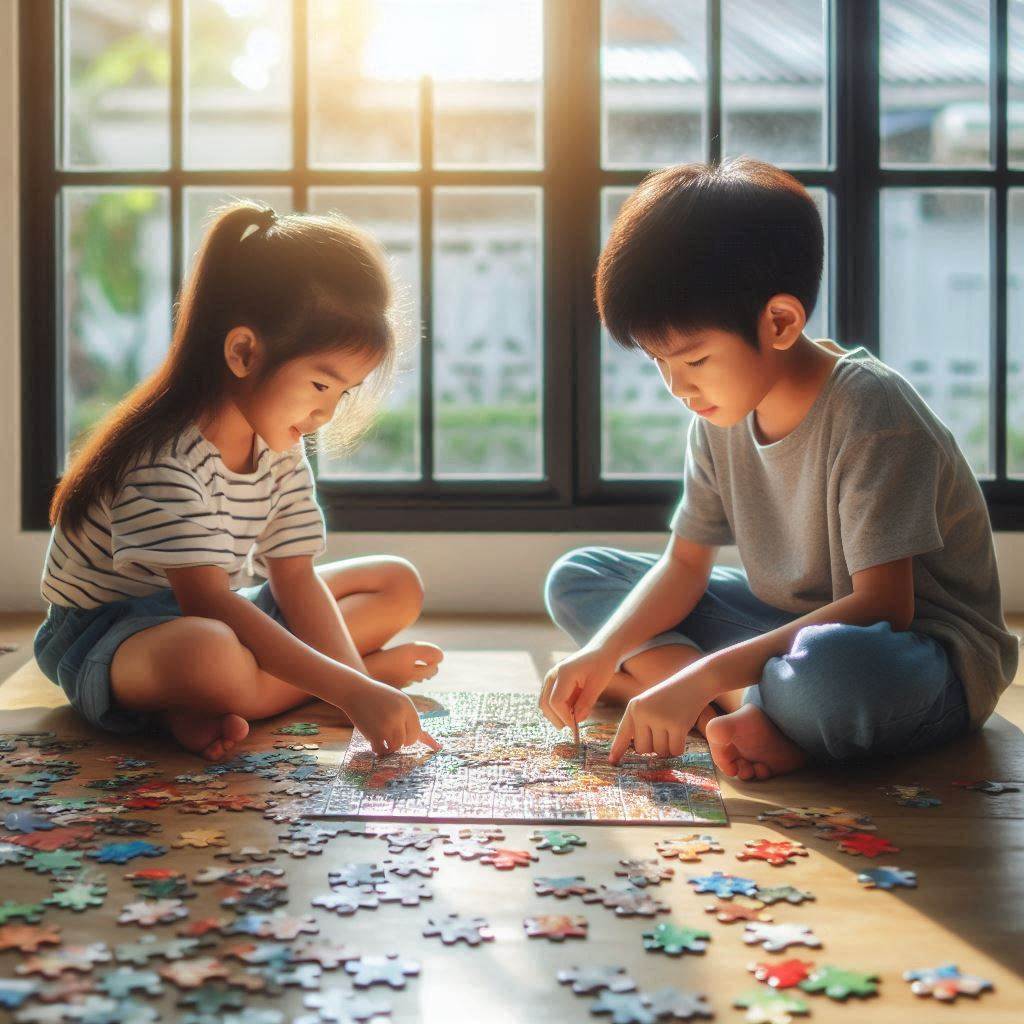
8. Create Opportunities for Teamwork
Joint activities can help siblings see each other as allies rather than competitors.
- Examples:
- Cook or bake together. Let one child measure ingredients while the other stirs.
- Plan a family scavenger hunt where siblings must work together to solve clues.
9. Celebrate Cooperation
When your children play nicely or resolve a conflict on their own, acknowledge their effort.
- Idea: Start a “Sibling Star Chart.” Every time they display teamwork or kindness, add a star. Once the chart is full, reward them with a family outing or special treat.
10. Schedule Quality Time Together
Plan activities that strengthen their bond. It doesn’t have to be elaborate—a shared bedtime story, a family movie night, or a weekend craft session can create lasting memories.
What to Do When Rivalry Escalates
While occasional squabbles are normal, persistent or intense sibling rivalry may indicate deeper issues.
- Signs to Watch For:
- Frequent physical fights.
- One child consistently feels left out or picked on.
- Conflicts that disrupt daily life or cause emotional distress.
- How to Address It:
- Talk to Each Child: Ask how they feel about their sibling and the family dynamic.
- Reevaluate Family Dynamics: Ensure that each child feels heard and valued.
- Seek Professional Help: Family counselors can provide strategies tailored to your situation.
Key Takeaways
Sibling rivalry is a natural part of growing up, but it doesn’t have to define your children’s relationship. With the right guidance, you can help your kids learn to navigate conflicts, understand each other’s perspectives, and build a strong foundation for a lifelong bond.
Remember, progress takes time. Celebrate the small victories—whether it’s an afternoon without arguments or a heartfelt apology after a fight. These moments add up, creating a home where siblings can thrive together.
And one day, when you see your grown-up children laughing over shared memories, you’ll know all the effort was worth it.
💛 Facing tough parenting moments?
Start with our complete guide:
👉 Parenting Challenges: Complete GuideOr explore all parenting advice here:
👉 Parenting Tips Hub